
Are Porcelain Tiles Waterproof? Expert Breakdown - Blog
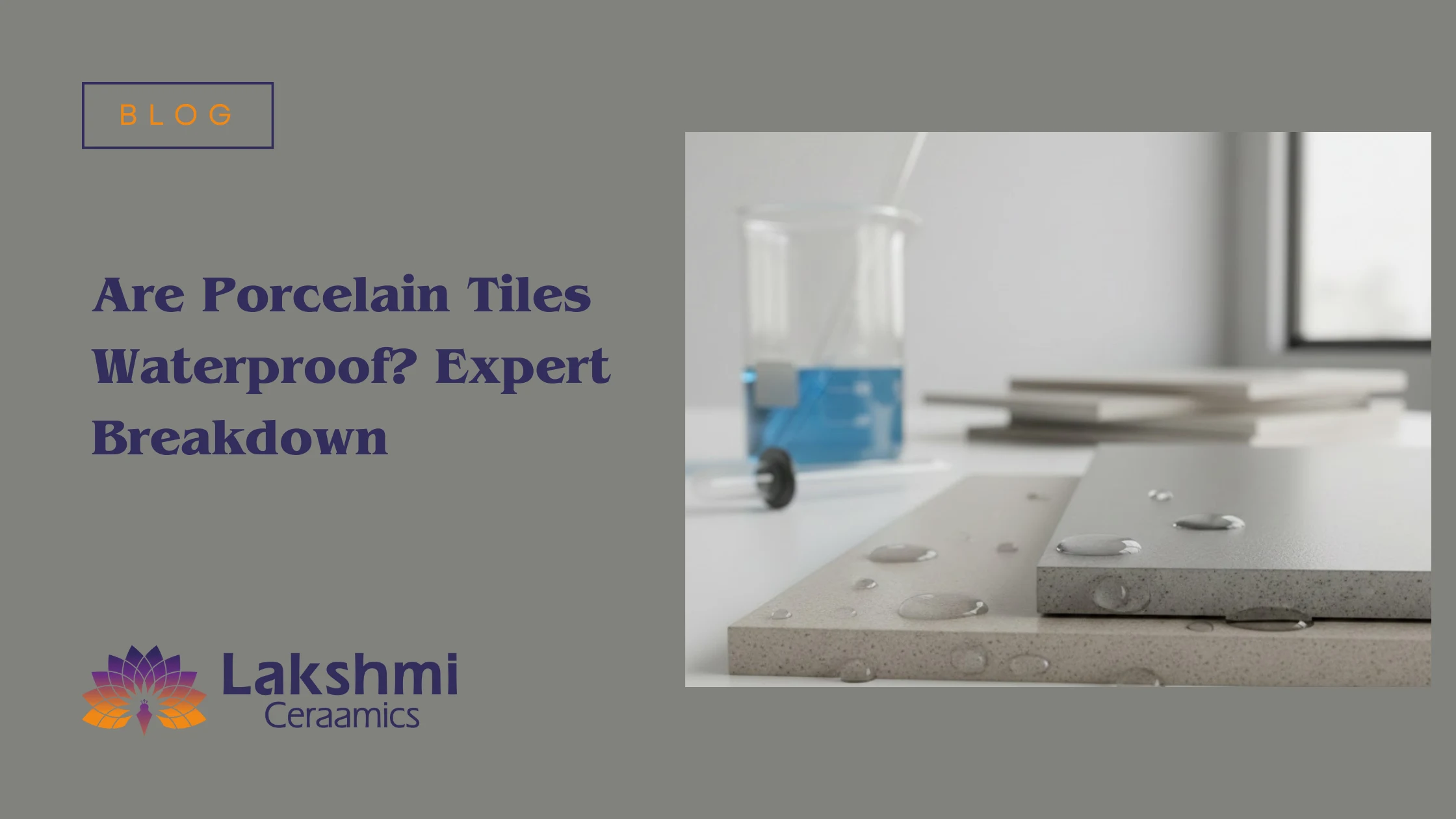
Porcelain tiles have become one of the most trusted choices for modern homes especially in areas where durability meets aesthetic appeal. Whether you are renovating your bathroom, upgrading your kitchen, or designing a new balcony, one important question always arises: Are porcelain tiles waterproof? Homeowners often look for flooring that can withstand moisture, spills, humidity, and daily wear. That is where porcelain tiles truly shine.
In this detailed expert guide, we break down everything you need to know about waterproof tiles, how porcelain performs in wet conditions, and whether they are the right choice for your next project.
What Exactly Are Porcelain Tiles?
Porcelain tiles belong to the ceramic tile, but they undergo an advanced manufacturing process that makes them denser, stronger, and significantly less porous. These tiles are made using refined clay, water, and minerals that are compressed under extremely high pressure and fired at temperatures around 1200°C.
This results in a tile that is:
-
Harder and more durable
-
Nearly non-porous
-
Resistant to scratches
-
Stain-resistant
-
Less likely to absorb water
Compared to traditional ceramic tiles, porcelain tiles have a much lower water absorption rate, making them suitable for both indoor and outdoor applications.
Are Porcelain Tiles Waterproof?
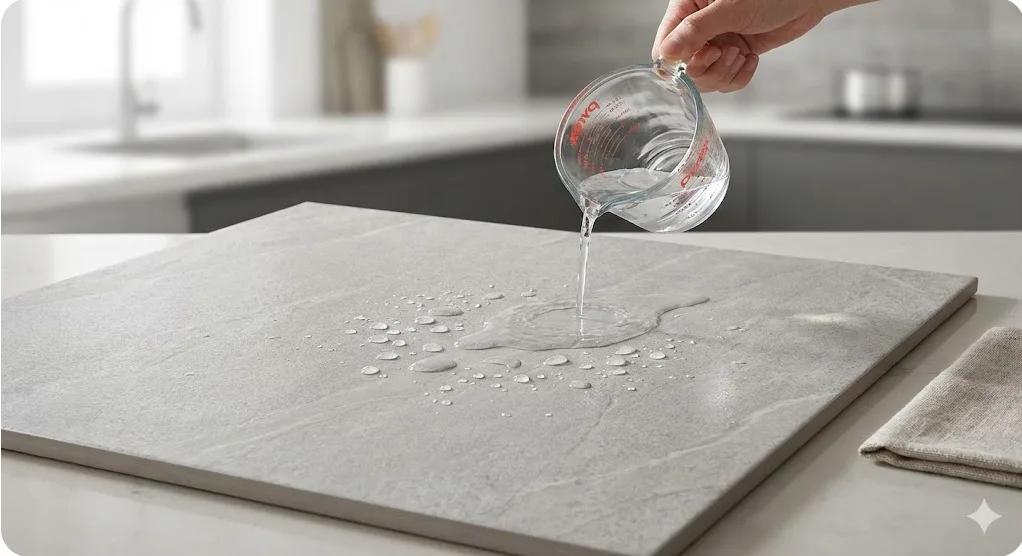
The most common question homeowners ask is: Are porcelain tiles waterproof?
The short answer: Porcelain tiles are water-resistant, almost waterproof, but not 100% waterproof in the scientific sense.
Porcelain tiles typically have a water absorption rate of 0.5% or less, meeting international ISO standards for vitrified tiles. This extremely low porosity means water cannot easily penetrate the tile surface.
But are porcelain tiles waterproof in real-world usage?
Absolutely. For practical purposes:
-
They do not absorb water easily.
-
They do not swell, warp, or crack from moisture.
-
They perform exceptionally well in bathrooms, kitchens, and outdoor areas.
This is why porcelain tiles are widely considered high-performance waterproof tiles for home and commercial use.
Waterproof vs. Water-Resistant – What’s the Difference?
-
Waterproof: Zero water penetration (rare in any building material).
-
Water-resistant: Extremely low absorption, sufficient to handle continuous moisture.
Porcelain tiles fall into the water-resistant category, which is more than enough for daily household conditions.
Why Are Porcelain Tiles Called Waterproof Tiles?
Porcelain tiles gain their waterproof-like qualities through their manufacturing process.
1. High-Density Composition: Porcelain uses highly refined clay with very little organic matter, reducing the presence of air pockets.
2. High-Temperature Firing: Tiles are fired at extremely high temperatures, causing vitrification a natural glass-like transformation that seals the material.
3. Minimal Porosity: The dense structure ensures that water cannot seep through the tile surface.
4. Glazed Coatings: Glazed porcelain tiles come with an extra protective layer that adds shine and resistance to stains, scratches, and moisture.
5. Installation Matters: Even the best porcelain tiles need proper installation. Grout lines should be sealed to ensure maximum water resistance in wet rooms.
What Is the Water Absorption Rate of Porcelain Tiles?
Water absorption is measured by how much water a tile can soak in under standard testing conditions.
Here’s a quick comparison:
|
Tile Type |
Water Absorption Rate |
|
Porcelain Tile |
< 0.5% (Highly water-resistant) |
|
Ceramic Tile |
3–7% |
|
Stone Tiles |
0.5–2% |
|
Vitrified Tiles |
< 0.5% (Similar to porcelain) |
This extremely low absorption rate is why porcelain tiles outperform most other materials in moisture-prone areas.
Why Water Resistance Matters for Homeowners
Water is a major enemy of long-lasting flooring. Moisture can cause mold growth, stains, structural damage, and unpleasant odors.
Choosing waterproof tiles like porcelain helps avoid:
-
Damp and fungal growth
-
Tile discoloration
-
Water seeping into subflooring
-
Cracks caused by moisture expansion
This makes porcelain tiles ideal for high-moisture environments.
Best Areas to Use Porcelain Waterproof Tiles

Porcelain tiles are incredibly versatile. Here are the top areas where they perform best:
1. Bathrooms & Showers
Because of their low absorption rate, porcelain tiles are perfect for: Shower floors, Shower walls, Bathroom flooring, Vanity backsplashes. They prevent water damage and are easy to clean.
2. Kitchens
Spills, stains, and moisture are common in kitchens. Porcelain tiles handle them effortlessly while maintaining a premium look.
3. Outdoor Spaces
Porcelain tiles are ideal for: Balconies, Terraces, Verandas, Outdoor walkways. They withstand rain, sun, and temperature changes.
4. Commercial Spaces
Because they are durable and moisture-resistant, porcelain tiles are widely used in: Restaurants, Hospitals, Shopping malls, Offices
5. Swimming Pool Areas
Non-slip porcelain tiles are often installed around pools for safety and durability.
How to Identify High-Quality Waterproof Porcelain Tiles
When shopping for porcelain tiles, look for:
1. Water Absorption Rating: Anything below 0.5% indicates high-quality porcelain.
2. PEI Rating: Higher PEI ratings indicate stronger tiles suitable for high-traffic areas.
3. Slip-Resistance Rating (R Rating): Outdoor or wet areas should have R10 or above.
4. BIS/ISO Certification: Ensures the tile meets industry standards.
5. Thickness and Surface Finish: Thicker tiles with matte or textured finishes perform better in wet zones.
Are Porcelain Tiles Good for Outdoor Use?
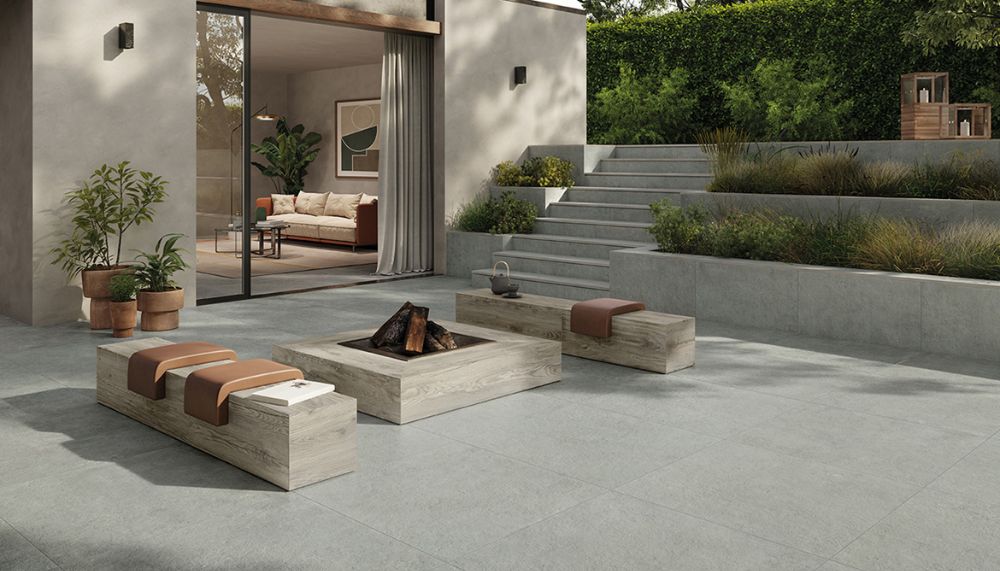
Yes, porcelain tiles are one of the best choices for outdoor applications.
Benefits include:
-
UV resistance
-
Freeze-thaw durability
-
Slip-resistant textures
-
Weather-proof surface
-
High strength and longevity
They also don’t fade under direct sunlight, making them ideal for Indian weather conditions.
Common Myths About Porcelain Tiles
Myth 1: Porcelain Tiles Are 100% Waterproof
They are highly water-resistant, but not fully waterproof like plastic or rubber.
Myth 2: Porcelain Tiles Are Slippery When Wet
Modern porcelain tiles come with anti-skid finishes suitable for bathrooms and outdoor spaces.
Myth 3: All Tiles Are the Same in Wet Areas
Porcelain tiles outperform ceramic, marble, and natural stone in moisture resistance.
Myth 4: Porcelain Tiles Are Difficult to Maintain
In reality, they require minimal upkeep thanks to their dense structure.
Final Thoughts
Porcelain tiles offer a perfect blend of beauty, durability, and excellent water resistance. While they are not 100% waterproof in a scientific sense, they perform exceptionally well in moisture-prone areas and are one of the best flooring choices for Indian homes.
If you're planning to upgrade your home with long-lasting and waterproof tiles, porcelain tiles are a smart, stylish, and practical choice.
For a wide range of premium-quality porcelain tiles, visit Lakshmi Ceramics your trusted destination for modern and durable tile solutions.
FAQs – People Also Ask (PAA Optimized)
1. Are porcelain tiles 100% waterproof?
Porcelain tiles are not 100% waterproof, but they are highly water-resistant due to their very low absorption rate.
2. Can porcelain tiles be used in a shower?
Yes, porcelain tiles are excellent for showers because they resist moisture, staining, and mold growth.
3. Do porcelain tiles absorb water over time?
They absorb extremely minimal water less than 0.5% which does not affect their durability.
4. Are porcelain tiles better than ceramic for wet areas?
Yes, porcelain tiles perform much better than ceramic tiles in bathrooms and kitchens due to their denser structure.
5. Do porcelain tiles crack in cold or rainy weather?
High-quality porcelain tiles resist freeze-thaw cycles and do not crack easily, making them ideal for outdoor use.

Whatsapp Chatx
Hi! Click one of our representatives below to chat on WhatsApp or send us email to customercare@lakshmiceramics.in
 |
Mr. Ram S +91 96551 70955 |
|
Mr. Martin +91 78688 86655 |