
Can GVT Tiles Be Used on Outdoor Floors and Walls? - Blog
Yes, selected GVT tiles can be used on outdoor floors and walls. However, not every design or finish is suitable for exterior use. The right choice depends on slip resistance, water absorption, surface strength, climate, traffic, and installation quality.
Textured or matt options often work well on patios, balconies, terraces, verandas, and covered entrances. Exterior walls can support a wider range of finishes because grip is not a concern. Polished tiles, however, may become slippery in rain and are rarely the best option for exposed floors.
This guide explains how to select safe, weather-ready products for residential and commercial projects.
What Are GVT Tiles?
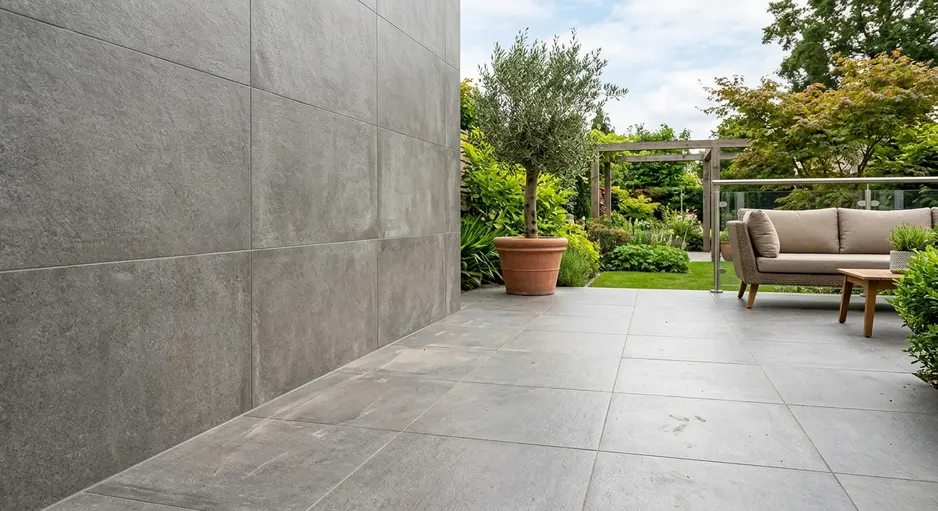
GVT stands for glazed vitrified tile. It has a dense vitrified body covered with a printed design and protective glaze. This process offers the strength of a vitrified base with a wide choice of colours and patterns.
Digital glazed vitrified tiles can recreate natural stone, wood, concrete, terrazzo, and marble. This makes it easier to coordinate indoor rooms with patios, balconies, entrance areas, and exterior walls.
How Digital Glazed Vitrified Tiles Are Made
The tile body is formed from refined raw materials and fired at a high temperature. A digital print creates the chosen pattern, while the glazed surface provides colour, texture, and protection.
The final performance depends on the tile body, glaze, finish, firing process, and quality tests. Buyers should not judge outdoor suitability by appearance alone.
GVT Tiles vs Porcelain Tiles
The terms “porcelain” and “vitrified” may be used differently across markets. Many porcelain GVT tiles have very low water absorption, but the name itself does not prove that a product is suitable for an outdoor setting.
Check the product classification and test report. ISO 13006 and EN 14411 cover the classification and technical requirements of ceramic tiles. Water absorption can be checked under ISO 10545-3.
GVT Tiles vs PGVT Tiles
PGVT means polished glazed vitrified tile. Its smooth, reflective surface is popular for dry interior areas and decorative walls. Yet it can lose grip when exposed to rain, dirt, or standing water.
For open terraces and patios, matt, textured, or structured GVT floor tiles are usually a more practical choice. A polished product should only be used when its test data confirms that it is fit for the planned application.
Can GVT Tiles Be Used Outdoors?
GVT tiles can be installed outdoors when the selected product is rated for that use. Outdoor flooring needs wet slip resistance, low water absorption, suitable abrasion resistance, and compatibility with the local climate. Exterior walls need weather-ready tiles, proper adhesive coverage, and a safe fixing system.
Where Outdoor GVT Tiles Can Work Well
- Covered and open balconies
- Residential patios and verandas
- Terraces with correct waterproofing and drainage
- Outdoor seating and dining areas
- Covered commercial walkways
- Building elevations and entrance features
- Balcony walls and exterior feature walls
Where Standard Products May Not Be Suitable
Standard tiles may not be right for pool surrounds, ramps, steep slopes, vehicle zones, or areas that remain wet for long periods. These spaces often need purpose-made anti-slip outdoor tiles or thicker paving products.
Cold regions require extra care. Products used in freeze-thaw conditions should have verified frost resistance, such as testing under ISO 10545-12. Low absorption alone should not be treated as proof of frost performance.
Are GVT Tiles Waterproof?
Glazed vitrified tiles resist water, but a tiled surface is not a complete waterproofing system. Moisture can enter through grout joints, corners, drains, cracks, and changes of plane.
Balconies and terraces should be waterproofed before the tiles are laid. The surface must also slope toward suitable drains so that rainwater does not collect.
Benefits of GVT Tiles for Outdoor Use
Low Water Absorption
A dense tile body with low water absorption can handle damp conditions better than a highly porous material. It is also less likely to absorb spills and dirt. Buyers should request water absorption data rather than depend on broad marketing terms.
Stain and Surface Resistance
Quality stain-resistant floor tiles are easier to clean after exposure to mud, food, leaves, or outdoor dust. Stain resistance can be assessed under ISO 10545-14, while chemical resistance is covered by ISO 10545-13.
Surface durability varies between collections. Scratch-resistant vitrified tiles may be useful near entrances and busy outdoor areas, but no glazed surface should be described as scratch-proof. Surface abrasion results under ISO 10545-7 can help buyers compare products.
Weather and Colour Performance
Outdoor surfaces face sunlight, rain, humidity, and changing temperatures. Ask for written confirmation that a product is intended for exterior exposure. If colour stability is important, request available information about UV-resistant outdoor tiles and weather performance.
Flexible Designs for Floors and Walls
Stone-look patio floor tiles can create a natural setting without the same level of routine care as some natural materials. Concrete patterns suit modern terrace flooring solutions, while wood effects bring warmth to a balcony.
On vertical surfaces, GVT wall tiles can add texture to elevations, entrances, and outdoor seating spaces. Coordinated floor and wall collections also help create a consistent design.
Where Can GVT Floor and Wall Tiles Be Installed?
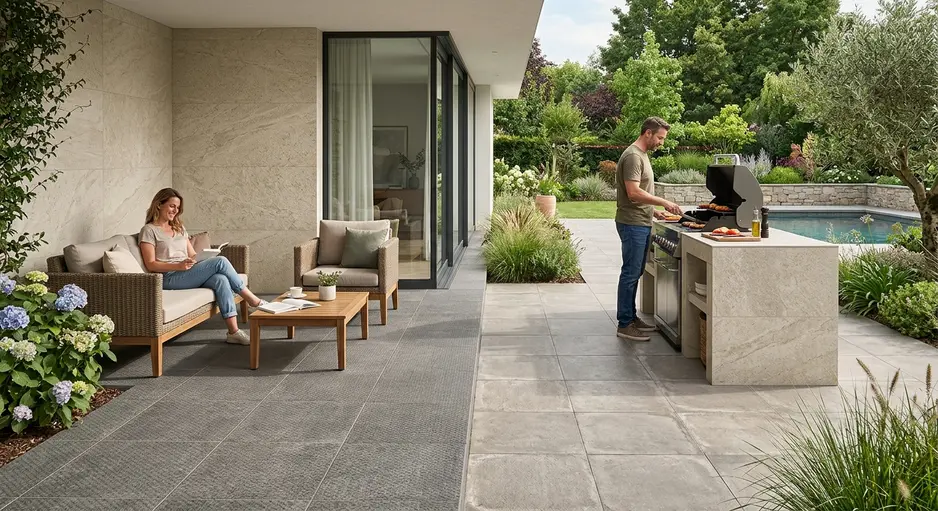
Residential Patios, Balconies, and Terraces
A covered balcony may use a matt, stone-look finish with moderate grip. An exposed terrace needs stronger wet-slip performance, effective waterproofing, movement joints, and reliable drainage.
For gvt tiles for floor applications, the surface must suit the expected use. A quiet home balcony and a busy family patio do not face the same foot traffic or cleaning needs.
- Patio floors: Choose a matt or textured surface and verify wet grip.
- Balcony floors: Check drainage, water absorption, and slip performance.
- Terrace floors: Plan waterproofing, slopes, and thermal movement.
- Covered entrances: Confirm abrasion resistance for frequent traffic.
- Pool surrounds: Use tiles approved for wet, barefoot areas.
Commercial Entrances and Walkways
Commercial areas often receive more foot traffic, dirt, and water. The chosen surface should offer suitable grip and should be easy to clean. Its abrasion rating must match the expected traffic.
Restaurants, shops, and offices may need a higher-performance product than a home patio. Heavy loads and vehicle-bearing areas may require purpose-engineered pavers instead of standard GVT floor tiles.
Exterior Wall Cladding
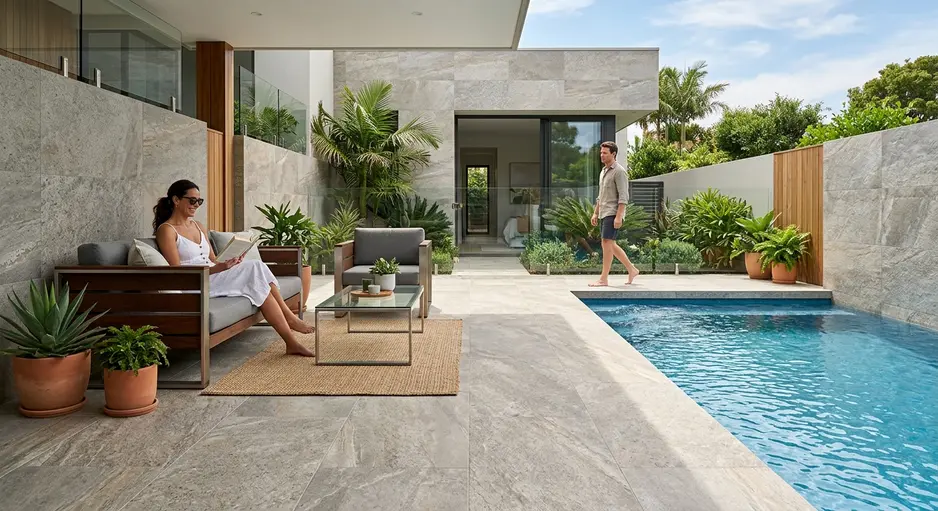
Glazed tiles can be used as exterior wall cladding tiles when the product and installation system are approved for outdoor exposure. They are suitable for balcony wall tiles, entrance features, low-rise elevations, and selected commercial facades.
Large-format or elevated tiles may require mechanical fixing. The correct method depends on tile size, building height, substrate, wind load, and local rules. An architect or facade engineer should review high-level installations.
How to Choose Outdoor Vitrified Tiles
Are GVT Tiles Slippery When Wet?
Some are. Polished and very smooth surfaces can become slippery when wet. For exposed floors, choose a matt, textured, structured, or purpose-rated anti-slip finish.
Ask the supplier for wet-slip test information. A single rating does not guarantee safety in every setting. Slope, drainage, footwear, cleaning products, algae, and surface contamination can all affect grip.
Check Water Absorption and Frost Resistance
Request the technical data sheet and water absorption result under ISO 10545-3. In regions with freezing winters, look for frost-resistant porcelain tiles tested under ISO 10545-12.
Freeze-thaw damage can occur when trapped moisture expands. That is why frost-ready tiles must be combined with suitable adhesive coverage, grout, waterproofing, and drainage.
Match Abrasion Resistance to Traffic
A private balcony usually receives less wear than a restaurant terrace or commercial entrance. Select the glazed-surface abrasion class based on actual foot traffic, exposure to grit, and cleaning methods.
Doormats and regular cleaning also help. Sand and hard debris can act like an abrasive when walked across a glazed surface.
Choose a Practical Size and Colour
Smaller formats can be easier to lay around drains and slopes. Large tiles reduce grout joints but require a flatter base and skilled installation. Poor coverage beneath a large tile can create weak points.
Mid-tone and patterned surfaces often hide outdoor dust better than very light or dark colours. Always view a sample in daylight and test how it looks and feels when wet.
Ask the Supplier the Right Questions
Whether you are buying locally or working with an international GVT tile supplier, request clear technical documents. A reliable supplier should help you confirm:
- The approved floor or wall application
- Water absorption and wet-slip results
- Surface abrasion and stain resistance
- Frost resistance where required
- Shade, calibre, thickness, and batch details
- Recommended adhesive, grout, and maintenance method
- Packaging and batch consistency for large projects
Architects and distributors sourcing from a GVT tiles exporter worldwide should also check the destination country’s building and safety standards. A catalogue description is not a substitute for product test data.
Installation Best Practices for Outdoor GVT Tiles
Prepare and Waterproof the Base
The substrate must be stable, clean, cured, and free from loose material. Cracks and uneven areas should be assessed before work begins. Terraces and balconies may need a complete exterior waterproofing system beneath the tiled finish.
Use Exterior-Rated Adhesive and Grout
The adhesive should match the substrate, tile size, climate, and level of exposure. Adequate contact beneath each tile is vital because voids can collect moisture and weaken the installation.
Use an exterior-grade grout where specified. Flexible sealant may be needed at perimeters, corners, and changes of plane.
Plan Drainage and Movement Joints
The floor should fall toward the drains and prevent standing water. Existing structural and movement joints must not be tiled over. Additional joints may be needed to manage expansion caused by heat and temperature changes.
Typical Installation Sequence for a Terrace
- Inspect and repair the structural slab.
- Create the required drainage slope.
- Apply the specified waterproofing system.
- Test the waterproof layer where required.
- Install the tiles with exterior-rated adhesive.
- Provide full coverage and planned movement joints.
- Grout the surface and allow it to cure.
- Check drainage before opening the area for use.
For long-term performance, use a qualified tile installer and follow the tile and adhesive manufacturers’ instructions.
Common Outdoor GVT Mistakes to Avoid
- Choosing by appearance alone: A polished marble effect may look attractive but lack safe wet grip.
- Using PGVT in exposed areas: Polished finishes are often better suited to dry interiors or protected walls.
- Ignoring the climate: A product used in a warm region may not suit a freezing location.
- Treating tile as waterproofing: Tiles and grout cannot replace a waterproof membrane.
- Ignoring drainage: Standing water increases slip risk and may damage the installation.
- Mixing unchecked batches: Confirm shade and calibre before laying the tiles.
Order enough material for cutting, breakage, and future repairs. View samples outside, check their grip when wet, and confirm how easily the texture can be cleaned.
GVT Tiles on Outdoor Floors and Walls
Choose GVT Tiles That Match the Application
GVT tiles can be an attractive and practical choice for outdoor floors and walls. Success depends on five factors: surface grip, water absorption, abrasion performance, climate suitability, and correct installation.
Do not assume that every polished or decorative design is suitable outside. Compare physical samples, review technical documents, and choose a finish made for the conditions it will face.
Explore outdoor-suitable tile options from Lakshmi Ceramics and speak with the team about the right finish, format, and specifications for your residential or commercial project.
FAQs
1. Can GVT tiles be used for outdoor flooring?
Yes. Choose a product with a suitable anti-slip finish, low water absorption, adequate abrasion resistance, and the right climate rating. Textured or matt products are generally more practical than polished tiles for exposed outdoor flooring.
2. Are GVT tiles suitable for exterior walls?
Yes. GVT tiles for wall applications can be used on balcony walls, elevations, and exterior features when the tile, substrate, adhesive, and fixing method are approved for outdoor exposure.
3. Are polished GVT tiles safe outside?
Polished tiles can become slippery in rain. They are not the first choice for exposed patios, ramps, terraces, or poolside floors unless verified test results support that exact use.
4. Do outdoor tiles fade in sunlight?
Products designed for exterior use should offer suitable colour stability, but results vary by glaze and manufacturing process. Ask the supplier for weather or UV performance information instead of assuming every collection is fade-resistant.
5. Which finish is best for an outdoor floor?
Matt, textured, structured, and anti-slip finishes are usually the best options. The required grip depends on whether the area is covered, exposed to rain, sloped, used barefoot, or subject to heavy traffic.

Whatsapp Chatx
Hi! Click one of our representatives below to chat on WhatsApp or send us email to customercare@lakshmiceramics.in
 |
Customer Support +91 74488 10909 |