
Latest Wash Basin Design Trends for Contemporary Homes - Blog
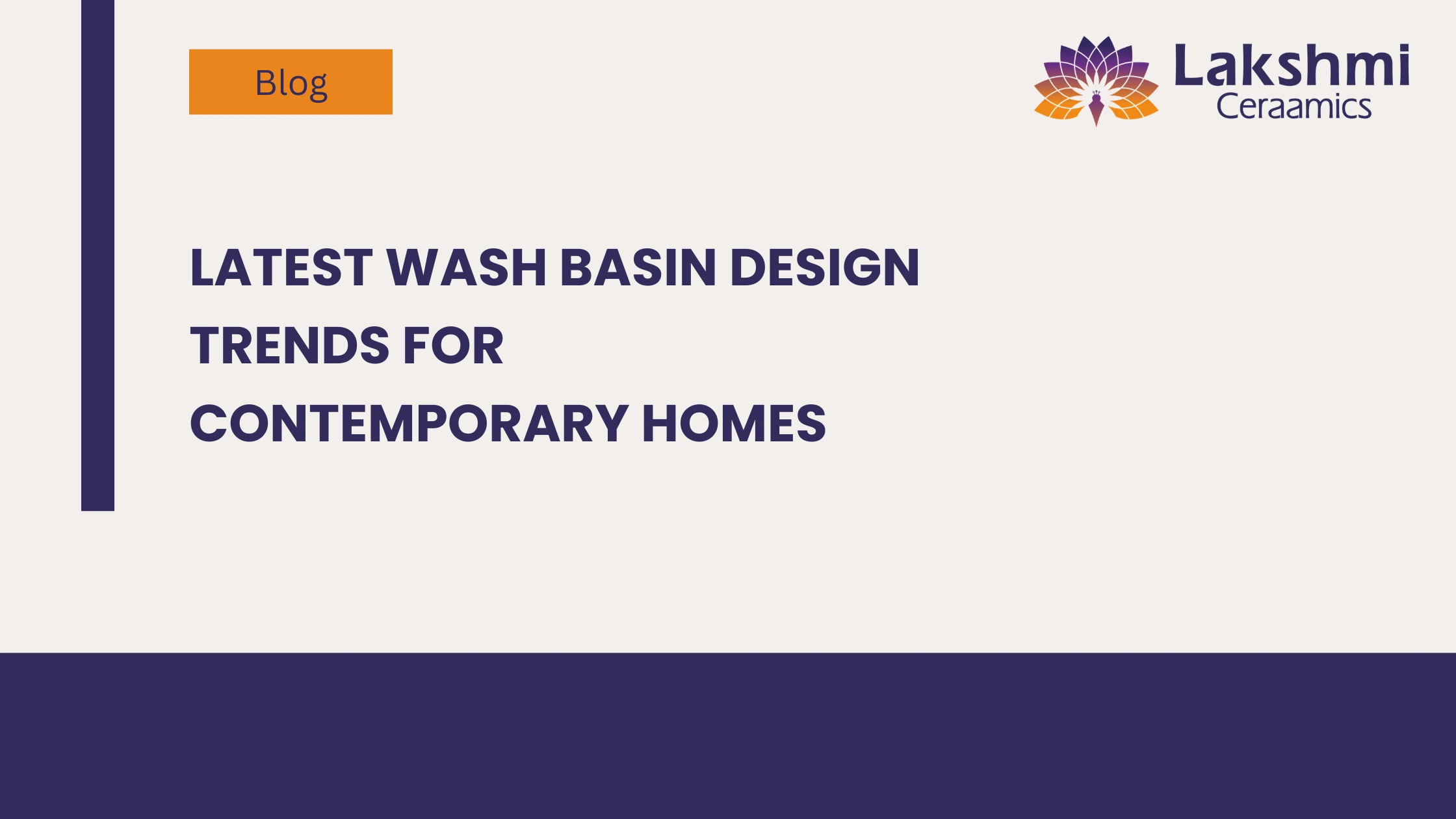
A wash basin is no longer just a practical bathroom fixture. It can shape the look of the vanity, guide the choice of faucet, and become the main feature of the room. The best wash basin design trends for homes now combine clean forms, useful storage, simple care, and lasting comfort.
In 2026, expect to see sculptural countertop bowls, soft curves, warm colours, slim ceramic profiles, and compact wall-mounted options. Integrated vanities also remain popular in busy family bathrooms. This guide explores the latest wash basin design for contemporary homes, compares common basin types, and explains what to check before buying.
Why Wash Basin Design Matters in Modern Bathrooms
From useful fixture to visual centrepiece
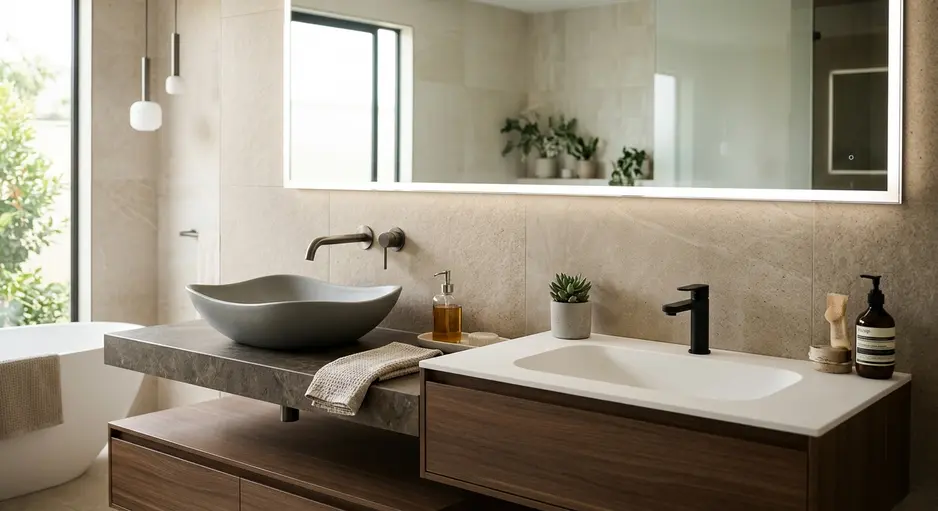
The basin often sits at eye level when someone enters a bathroom. Its colour, form, and position can affect the vanity, mirror, lighting, and hardware around it. A sculptural bowl may create a bold focal point, while an under-counter model can help the room feel calm and uncluttered.
Today’s designer wash basins range from simple round bowls to asymmetrical art pieces. Yet a striking form should still suit the wider room. A large basin can overwhelm a narrow vanity, while a tiny model may look out of place in a spacious master bathroom.
Balancing appearance with daily use
Good design must work well every day. Consider the room size, number of users, storage needs, cleaning effort, and existing plumbing. Basin depth and faucet position also matter. If the water stream hits a shallow side wall, splashing may occur even when the fixture looks well planned.
Latest Wash Basin Design Trends for 2026
Sculptural countertop wash basins
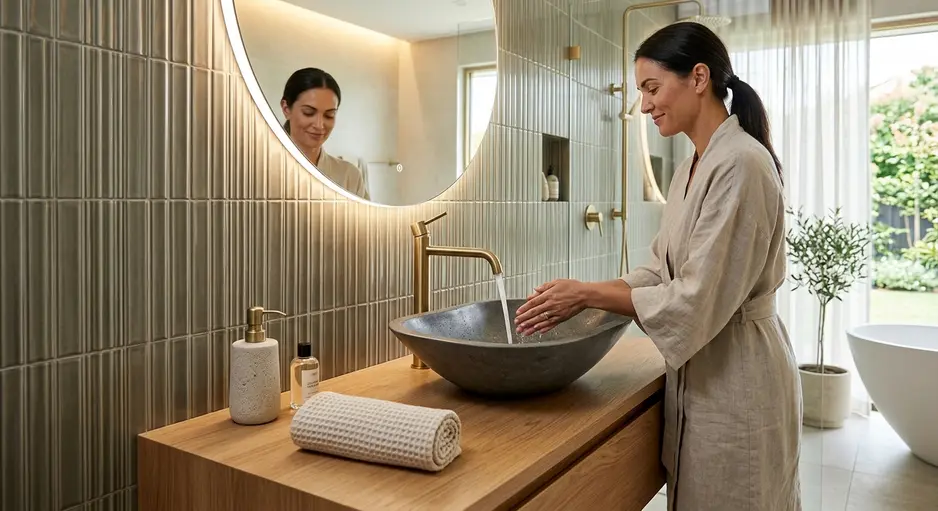
The countertop wash basin remains a leading choice for premium and hotel-inspired interiors. Round, oval, rectangular, and asymmetrical bowls stand above the counter, which gives them a strong visual presence. Thin rims and gentle curves make many current models feel lighter than traditional vessel basins.
Art basin designs are especially effective in powder rooms and private suites. Before choosing one, check the total height of the counter and bowl. Faucet reach, outlet height, waste position, and bowl depth must work together to provide comfortable use.
Organic curves and soft geometry
Soft forms are replacing harsh angles in many modern wash basin designs. Oval, capsule, pebble, and curved rectangular shapes bring a relaxed feel to the bathroom. They also balance straight tile lines and box-shaped cabinets.
For example, an oval white ceramic wash basin placed on a warm wood vanity creates contrast without making the room feel busy. Rounded internal corners can also be easier to wipe than tight, sharp edges.
Warm neutrals and natural colours
Bright white remains versatile, but it is no longer the only choice. Beige, sand, taupe, stone grey, charcoal, terracotta, and muted pastel shades are appearing in modern bathroom interiors. These colours work well with wood, stone-look surfaces, and brushed metal fittings.
A coloured basin is usually most effective as a controlled accent. Keeping the walls or countertop quiet prevents the design from feeling crowded. Homeowners who want long-term flexibility may prefer white, beige, or soft grey over a highly specific fashion colour.
Matte surfaces and subtle texture
A matte finish wash basin offers a soft, understated look. Ribbed, fluted, and stone-inspired exteriors can add texture without the need for extra decoration. These finishes are well suited to premium wash basin designs and statement powder rooms.
Maintenance depends on the glaze and local water quality. Mineral marks may appear differently on matte and glossy surfaces. Always follow the product care instructions and avoid harsh abrasive tools.
Thin-rim ceramic profiles
Slim edges are another feature of the latest wash basin design. They give a ceramic bowl a refined outline and help it look less bulky. Minimalist shapes pair well with floating vanities, large mirrors, and concealed plumbing.
Do not judge strength or quality by appearance alone. Ask for technical dimensions, installation guidance, and verified product information before choosing a thin-profile model.
Integrated vanity and under-counter basins
An under counter wash basin creates a smooth transition from the worktop into the bowl. Water and loose debris can be wiped directly from the counter into the basin, making this layout useful in shared bathrooms.
A wash basin with cabinet adds storage for towels, toiletries, and cleaning products. This coordinated setup is popular in master bathrooms and family spaces where clear countertops support a neat appearance.
Compact wall-mounted designs
A wall mounted wash basin is a practical option for apartments, powder rooms, and narrow layouts. It keeps the floor visible, allows easier floor cleaning, and can make a small room seem more open. Corner and shallow-projection models make use of spaces that may not fit a standard vanity.
Correct support is essential. The wall, brackets, and fixings must be suitable for the basin and expected load. Plumbing may remain visible unless it is concealed within the wall or covered by a semi-pedestal.
Countertop vs Wall-Mounted Wash Basin Options
Countertop wash basin
Best for: Statement bathrooms and generous vanity areas.
Main benefit: Strong visual impact with many shape choices.
Check: Counter height, faucet reach, bowl depth, and cleaning space around the base.
Wall-mounted wash basin
Best for: Small bathrooms, powder rooms, and accessible layouts.
Main benefit: Saves floor space and looks visually light.
Check: Wall strength, mounting hardware, and how the plumbing will be finished.
Under-counter wash basin
Best for: Minimalist vanities and busy family bathrooms.
Main benefit: Offers an open countertop and simple wipe-down cleaning.
Check: Countertop material, cut-out accuracy, sealing, and cabinet clearance.
Pedestal wash basin
Best for: Classic, transitional, and selected contemporary rooms.
Main benefit: Covers much of the visible plumbing without requiring a cabinet.
Check: Storage needs and available floor area.
Is a countertop basin practical for daily use?
Yes. A countertop basin can be practical when its depth, height, faucet flow, and spout reach are correctly matched. The water should land near the drain rather than hitting a shallow side. Allow enough space around the outer base for routine cleaning.
When should you choose a pedestal wash basin?
Choose a pedestal model when you want a simple fixture and do not need vanity storage. A full pedestal reaches the floor, while a semi-pedestal attaches beneath the bowl and leaves more floor visible. Product availability and installation needs will determine which option is suitable.
Ceramic Finishes and Easy-Care Features
Glossy ceramic vs matte finish
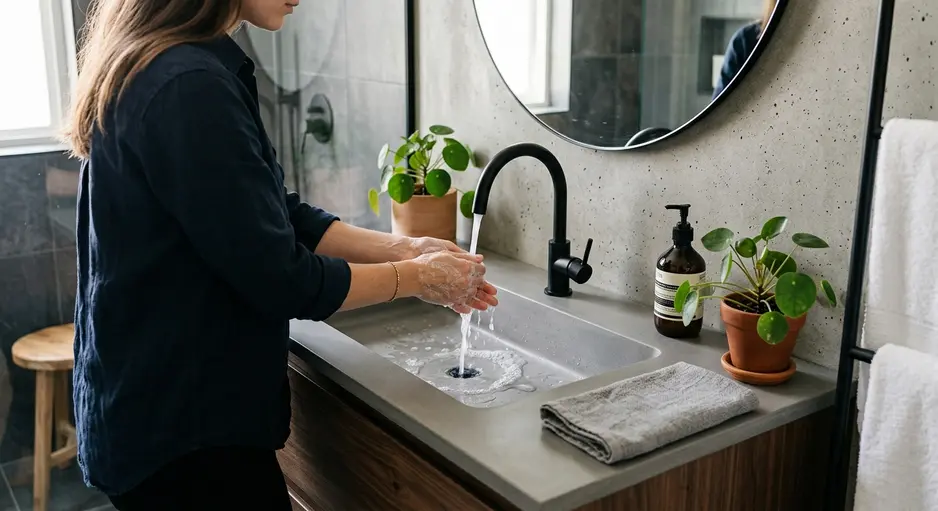
A glossy ceramic wash basin reflects light and has a familiar, bright appearance. Its smooth surface is often simple to wipe and inspect. This makes it a useful choice for family bathrooms and other frequently used spaces.
Matte ceramic creates a softer and more modern effect. It can be practical, but water marks and mineral deposits may look different on the surface. Cleaning performance depends on the actual glaze, not only whether the finish is labelled matte or glossy.
What makes a ceramic basin easy to clean?
An easy-to-clean ceramic basin should have a smooth glazed surface, a suitable drainage slope, and limited gaps where residue can collect. Rounded internal corners and minimal ledges can also reduce cleaning effort.
- Use non-abrasive products recommended by the supplier.
- Wipe away standing water in hard-water areas.
- Check that the waste fitting sits correctly.
- Clean the overflow opening where one is included.
- Avoid harsh tools that may damage the glaze.
Is a scratch-resistant basin scratch-proof?
No. Scratch-resistant wash basin claims should not be read as scratch-proof. Surface performance varies by body material, glaze, care, and testing method. Buyers should request verified abrasion, chemical-resistance, and glaze information when these qualities are important for a project.
How to Choose the Right Wash Basin
Measure the room and vanity
Start with the available width, depth, and projection. Check door movement, shower access, drawer clearance, and the space people need to move around the room. The largest basin is not always the most useful. Its proportions should fit both the vanity and the bathroom.
Coordinate basin and faucet dimensions
Check the faucet spout reach and outlet height against the bowl. The water stream should fall inside the basin near the drain, not against the front edge. There is no single installation height that suits every design, so follow the product drawing and local plumbing guidance.
Match the fixture to the household
- Family bathroom: Select a durable bathroom vanity basin with practical storage and simple care.
- Powder room: Consider a compact art basin or a space-saving wash basin.
- Master bathroom: Use a premium countertop arrangement or integrated double vanity where space permits.
- Accessible bathroom: Review mounting height, reach, knee clearance, and local accessibility rules.
Use a practical buying checklist
- Confirm the mounting method and wall support.
- Review the countertop cut-out and tap-hole layout.
- Check waste and overflow compatibility.
- Plan how visible pipes will be handled.
- Measure cabinet doors and drawer clearance.
- Read the cleaning and maintenance instructions.
- Check warranty and replacement availability.
- Request compliance documents needed in the destination market.
Modern Bathroom Wash Basin Ideas by Space
Small apartment bathroom
Use a compact wall-mounted or corner basin to protect circulation space. A floating shelf or mirrored cabinet can add storage without filling the floor. Light-coloured ceramic and a simple mirror can help the room feel open.
Luxury master bathroom
Pair a sculptural bowl with a stone-look counter, warm lighting, and restrained fittings. A wall-mounted faucet can leave more usable counter area, but its position must be planned before wall finishing. For a double vanity, allow comfortable space between both users.
Contemporary family bathroom
An under-counter model or vanity basin is often practical for a shared room. Choose an easy-care surface and enough cabinet space to keep daily items off the counter. Soft internal corners support quick cleaning.
Statement powder room
A coloured, fluted, or asymmetrical trending wash basin can give a small guest room a distinct identity. Keep the background simple so the basin remains the focal point.
Choosing a Wash Basin Manufacturer or Supplier
Product photographs are useful, but they do not show every detail. When assessing a wash basin manufacturer, review technical drawings, ceramic finish, size consistency, installation instructions, packaging, warranty terms, and after-sales support.
Architects, retailers, and importers should also ask an international wash basin supplier about sample approval, minimum order quantities, lead times, replacement units, and destination-market documents. A wash basin exporter worldwide must be able to explain how items are packed to reduce the risk of damage during transport.
Lakshmi Ceramics can be considered as a resource when exploring ceramic and contemporary basin options. Before placing an order, contact the company directly for its current catalogue, dimensions, available finishes, technical details, supply terms, and verified compliance documents.
Wash Basin Design Trends for Contemporary Homes
Bring Style and Practicality Together
The strongest wash basin design trends combine expressive shapes with comfortable daily use. Organic forms, warm colours, matte textures, integrated vanities, and compact fixtures can all suit contemporary homes when they are chosen for the right space.
Measure carefully and check faucet compatibility, cleaning needs, mounting requirements, and long-term flexibility before making a decision. To explore a luxury wash basin collection or request sourcing details, contact Lakshmi Ceramics for its current product specifications, catalogue information, and available ceramic wash basin options.
Frequently Asked Questions
1. What are the latest bathroom wash basin trends for 2026?
The latest bathroom wash basin trends 2026 include sculptural countertop bowls, organic curves, warm neutral colours, matte textures, slim rims, integrated vanities, and compact wall-mounted fixtures. Practical features such as easy cleaning, useful storage, and correct faucet coordination remain just as important as appearance.
2. Which basin design is best for a small bathroom?
A compact wall-mounted, corner, or shallow-projection basin often works best. The right choice depends on door clearance, plumbing, storage needs, and wall strength. Measure the full projection rather than looking only at basin width.
3. Are countertop wash basins still trending?
Yes. They remain popular as statement pieces in contemporary and hotel-inspired bathrooms. Everyday comfort depends on correct counter height, bowl depth, faucet reach, and water flow. These details should be planned before the countertop is cut or the faucet is installed.
4. Which is easier to clean: matte or glossy ceramic?
Glossy ceramic is often easy to wipe and inspect because of its smooth, reflective surface. Matte finishes can also be practical when they have a well-made surface and receive proper care. Always follow the manufacturer’s instructions, especially in hard-water areas.
5. Is an under-counter basin better than a countertop basin?
Neither type is better for every bathroom. An under-counter model supports easy countertop cleaning and a seamless look. A countertop basin provides greater visual impact and a wider choice of sculptural forms. Space, maintenance, and faucet placement should guide the decision.

Whatsapp Chatx
Hi! Click one of our representatives below to chat on WhatsApp or send us email to customercare@lakshmiceramics.in
 |
Customer Support +91 74488 10909 |