
Best Wall Tile Showroom Near Me for Home Renovation - Blog
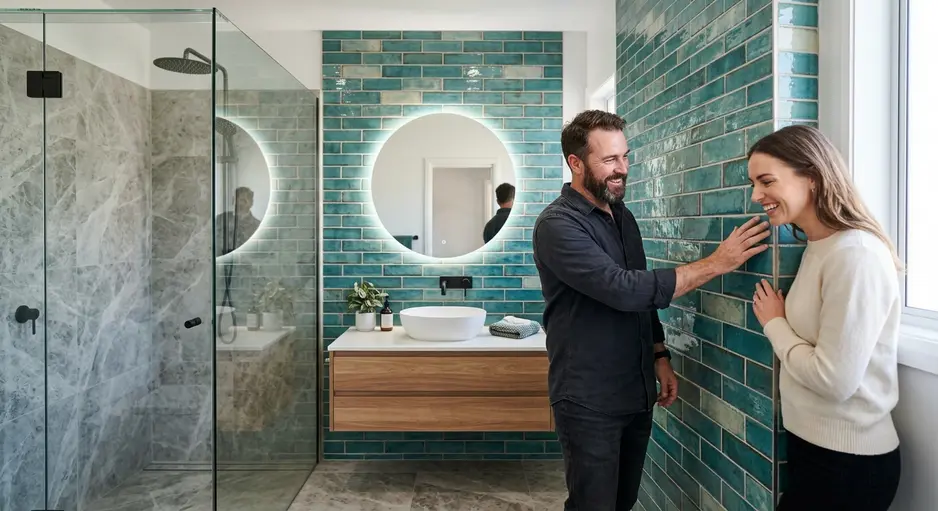
Tile colours, textures, and patterns can look very different in an online photo. Screen settings, room lighting, and image angles may hide the true finish. Visiting a wall tile showroom near me makes it easier to judge the scale, surface, and overall design before placing an order.
A showroom visit also lets you compare materials, check full-size displays, and discuss layout details. This guide explains how to choose a showroom, select tiles for each room, plan grout and layouts, and compare complete project quotes. You can use these tips when visiting Lakshmi Ceramics or evaluating other local tile stores.
How Do I Find the Best Wall Tile Showroom Near Me?

Start With Location, Range, and Reputation
Begin with practical details. Confirm the address, business hours, parking, and areas served. Read recent customer reviews rather than relying only on the overall score. Comments about staff knowledge, stock, delivery, and complaint handling often reveal more than a star rating.
It also helps to understand common business terms. A showroom focuses on displaying products. A retailer sells directly to customers, while a dealer may represent selected brands. A supplier may handle larger quantities, project orders, or trade requirements. In practice, one business may perform several of these roles.
Check Products Before You Travel
Review the store website or call before visiting. Ask whether your preferred colours, sizes, finishes, and collections are on display. If you need samples, confirm whether they can be taken home.
Whether you search for a wall tile dealer near me, a wall tile shop near me, or a tile showroom near me, compare every option using the same criteria. Look at product choice, technical advice, order support, delivery terms, and after-sales help—not just the lowest advertised tile rate.
What Makes a Wall Tile Showroom Worth Visiting?
Full-Size Displays and Current Designs
A small sample shows colour, but a full-size panel reveals much more. You can see repeating graphics, grout joints, pattern variation, and the true scale of the tile. This is especially important for marble effect patterns, where veining may continue across several pieces.
A wall tile showroom with latest designs may display geometric motifs, mosaic patterns, stone effect designs, and textured tile finishes. These displays also help you develop feature wall concepts that suit the size and style of your room.
If you are searching for a modern wall tile showroom near me, ask which designs are physically displayed and which are shown only in catalogues. Seeing an installed surface gives you a better idea of how the finished wall may look.
Glossy and Matte Surface Options
Glossy surface options reflect light and can make a compact room feel brighter. Their smooth finish is often easy to wipe, although fingerprints, water spots, and streaks may be more visible under direct light.
Matte surface options create a softer appearance and reduce glare. However, cleaning needs can vary based on the depth of the texture. View both finishes under warm and cool lighting. If possible, take a sample home and check it during the day and evening.
Useful Design and Technical Support
A reliable home renovation tile showroom should explain where a tile can be used and how it should be installed. Staff should also help you review tile thickness, edge profiles, shade variation, and maintenance needs.
Ask about compatible adhesive, grout, trims, corner details, and delivery. Product suitability must follow the tile maker’s instructions, relevant installation guidance, and the condition of the wall.
Which Wall Tiles Work Best in Each Room?
Wall Tiles for Bathroom Renovation
At a wall tile showroom for bathroom renovation, compare glazed ceramic surfaces with porcelain wall coverings. Ceramic is common on interior walls, while porcelain may suit designs that require denser tiles or matching wall and floor finishes.
For moisture-prone areas, choose tiles that are approved for the intended location. Large-format tiles can reduce the number of grout lines, but they require a flat substrate and careful fixing. Mosaic patterns are useful for niches, borders, and decorative sections.
Remember that tile and grout do not replace a specified waterproofing system. Wet-area preparation should follow applicable building requirements, Tile Council of North America guidance where relevant, and the waterproofing manufacturer’s instructions.
Example: A compact bathroom can use pale wall tiles to reflect light, with a small mosaic niche for contrast. A slip-resistant floor tile can coordinate with the walls without needing the same surface finish.
Wall Tiles for Kitchen Renovation
A wall tile showroom for kitchen renovation should offer finishes suited to splashback applications. Smooth, glazed, stain-resistant surfaces are often practical behind counters because spills and cooking marks can be wiped away more easily.
Consider moisture near the sink and heat around cooking areas. Confirm the intended use with the showroom and product instructions, particularly near high-temperature appliances. Subway designs, mosaics, marble effects, and geometric patterns can all work when they suit the room’s scale.
Example: A busy family kitchen may benefit from a smooth glazed splashback with mid-tone grout. This creates a clean finish while making everyday marks less noticeable than they might be on very pale grout.
Living Rooms and Feature Walls
Living room walls allow greater freedom with depth and texture. Stone effect designs can create a warm, natural feel, while marble effects offer a more refined look. Textured finishes may work well behind a television or seating area.
Check the design under directional light before ordering. Focused lighting can bring out texture, but it can also exaggerate uneven joints or shadows.
Example: A stone-effect feature wall with gentle overhead lighting can add depth to a simple living room. Planning outlet positions and tile cuts before installation helps keep the result balanced.
Ceramic or Porcelain: Which Wall Tile Should You Choose?

Neither material is automatically better. The right choice depends on the wall, tile size, room conditions, desired finish, and fixing system. Product classifications and test information may refer to standards from ANSI, ASTM, or other applicable bodies. Ask the retailer for technical details when performance is important.
Glazed Ceramic Surfaces
- Commonly used for interior walls and kitchen splashbacks
- Often lighter than porcelain of a similar size
- Available in broad colours, patterns, and decorative formats
- Usually easy to maintain when the glaze suits the application
- May be easier to cut for sockets, corners, and fittings
Glazed ceramic can be a practical choice for standard bathroom walls, decorative sections, and projects where weight or ease of cutting matters.
Porcelain Wall Coverings
- Often denser and heavier than ceramic wall tiles
- Available in realistic stone, concrete, and marble visuals
- Useful for coordinated floor-and-wall designs
- Commonly offered in large-format sizes
- May require closer attention to substrate strength and adhesive choice
Before selecting large porcelain tiles, ask whether the existing wall is suitable. The installer should follow the tile and adhesive manufacturers’ instructions, including requirements for surface preparation and coverage.
How Should I Plan Tile Layout, Colour, and Grout?
Test Samples in Your Home
Take samples home when possible. Hold them vertically because light falls on walls differently from floors. Compare each sample with cabinetry, worktops, paint, sanitaryware, and metal fittings.
Review the tile in daylight and artificial light. Stand at a normal viewing distance when judging decorative patterns. A bold motif that looks balanced on a sample board may feel much busier across an entire wall.
Complete Tile Layout Planning Early
Good tile layout planning starts with centre lines, focal points, and visible edges. Account for corners, windows, niches, taps, sockets, and plumbing fixtures before tiles are fixed.
Compare stacked, brick-bond, vertical, horizontal, and herringbone layouts. Marble graphics may need careful pattern continuity, while geometric motifs often involve more cuts and labour. Aim for balanced cuts rather than leaving narrow pieces in prominent areas.
Make Grout Colour Selection Part of the Design
Matching grout creates a smoother, more continuous look. Contrasting grout highlights the shape and alignment of each tile. Mid-tone grout may be more forgiving in busy kitchens and family bathrooms.
Final grout joint width should suit the tile, its dimensional variation, and the selected installation method. Ask the showroom or installer to prepare a simple elevation or dry layout for patterned, large-format, or vein-matched tiles.
What Should a Wall Tile Quote Include?
Calculate the Required Quantity
- Measure the width and height of each wall.
- Subtract major openings where appropriate.
- Add the measured wall areas together.
- Allow for cuts, breakage, repairs, and pattern matching.
There is no single waste percentage for every project. A straight layout in a square room usually needs less extra material than a herringbone pattern, diagonal design, or wall with many niches and fittings. Confirm the final quantity with the installer.
Compare the Total Project Cost
A low tile price does not always mean a low project cost. A complete quote may include tiles, taxes, adhesive, grout, waterproofing materials, trims, delivery, cutting, installation, removal of old finishes, and wall preparation.
When comparing a wall tile store or wall tile retailer near me, ask for an itemised written quote. If you need a large or repeat order, confirm stock and lead times with the wall tile supplier near me before booking labour.
Confirm Batch Details and Availability
Tiles from separate production batches can have slight shade or size differences. Buy enough from the same available batch and keep a few spare pieces for future repairs. Also check lead times and the return policy for unopened boxes.
Does the Showroom Offer Installation Support?
If you need a wall tile showroom with installation support, ask whether work is completed by an in-house team or an independent contractor. Find out who measures the site and who is responsible for wall preparation and waterproofing.
Product warranties and workmanship cover may be separate. Get the scope, payment terms, responsibility for shortages, and process for handling breakage in writing before work begins.
Why Visit Lakshmi Ceramics for Renovation Tiles?
Homeowners comparing options can visit the Lakshmi Ceramics to explore available product information and find current contact details. Confirm the designs, sizes, finishes, and samples available at your preferred location before travelling.
Bring room measurements, photographs, plans, and inspiration references to your showroom visit. Samples of paint, cabinetry, worktops, or sanitaryware can also help you compare colours in a practical way.
Before placing an order, ask about current availability, delivery terms, product care, and any installation guidance offered. These checks help you decide whether it is the best wall tile store for home renovation based on your own project needs.
Best Wall Tile Showroom Near Me
Make Your Showroom Visit Count
Finding the right wall tile showroom near me is about more than locating the closest store. A useful showroom should let you compare real surfaces, understand technical needs, plan layouts, and review the full project cost.
Visit with accurate measurements and clear questions. Test samples at home, confirm product batches, and involve the installer before ordering. Careful planning at the showroom stage can prevent expensive changes and help you create bathroom, kitchen, and feature walls that remain practical for years.
Frequently Asked Questions About Wall Tile Showrooms
1. How do I choose the best wall tile showroom near me?
Look for a broad product range, full-size displays, informed staff, recent reviews, and clear quotations. Also compare sample availability, delivery terms, technical guidance, and after-sales support. Choose the showroom that fits your project rather than relying on price alone.
2. Is ceramic or porcelain better for bathroom walls?
Both can be suitable when correctly specified. The decision depends on tile size, weight, moisture exposure, substrate condition, finish, and installation method. Porcelain is not always necessary, while ceramic is not right for every application.
3. What wall tiles are easiest to clean in a kitchen?
Smooth, glazed, stain-resistant tiles are generally easy to wipe in splashback areas. Deep textures can trap grease or residue, while pale grout may show marks sooner. Always follow the tile and grout makers’ cleaning guidance.
4. Should I take tile samples home before buying?
Yes. Daylight, artificial lighting, wall colour, cabinetry, and room size can change how a tile appears. Check the sample at different times and hold it against nearby finishes before making a final choice.
5. Do wall tile showrooms provide installation services?
Some showrooms provide installation, while others refer customers to contractors. Verify the exact scope, materials, waterproofing responsibility, workmanship cover, payment schedule, and after-sales process in writing.

Whatsapp Chatx
Hi! Click one of our representatives below to chat on WhatsApp or send us email to customercare@lakshmiceramics.in
 |
Customer Support +91 74488 10909 |